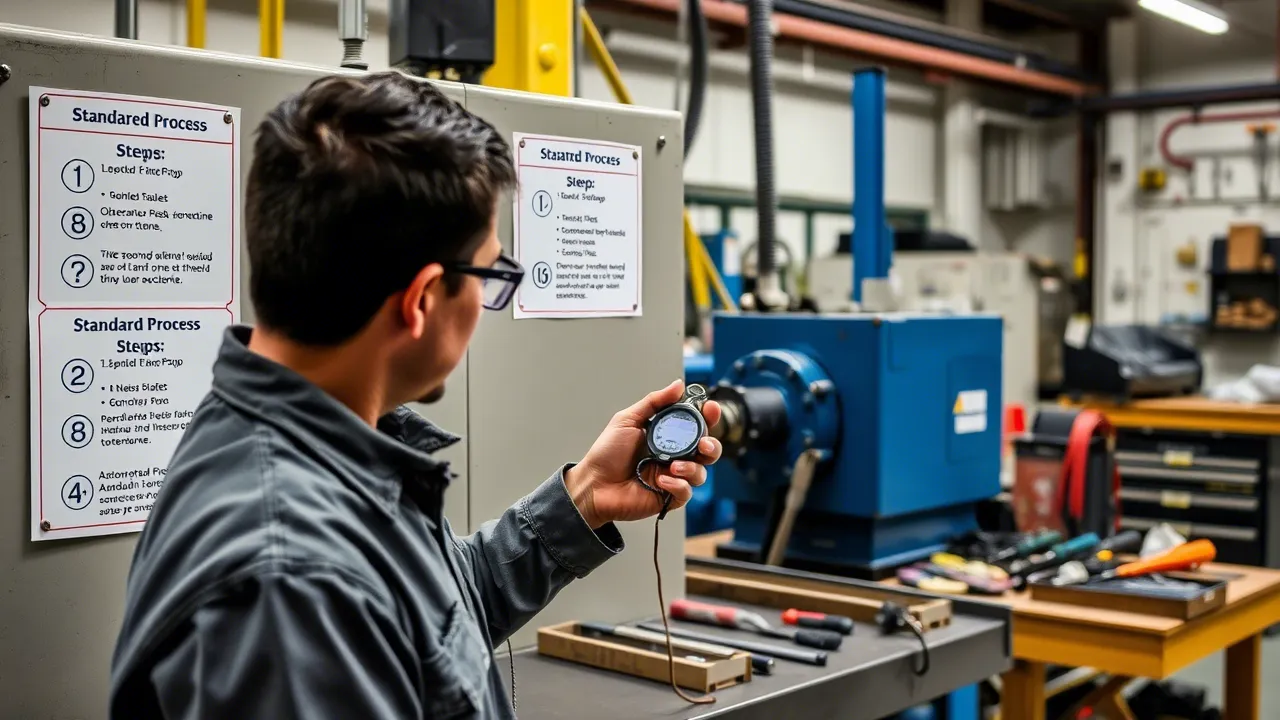
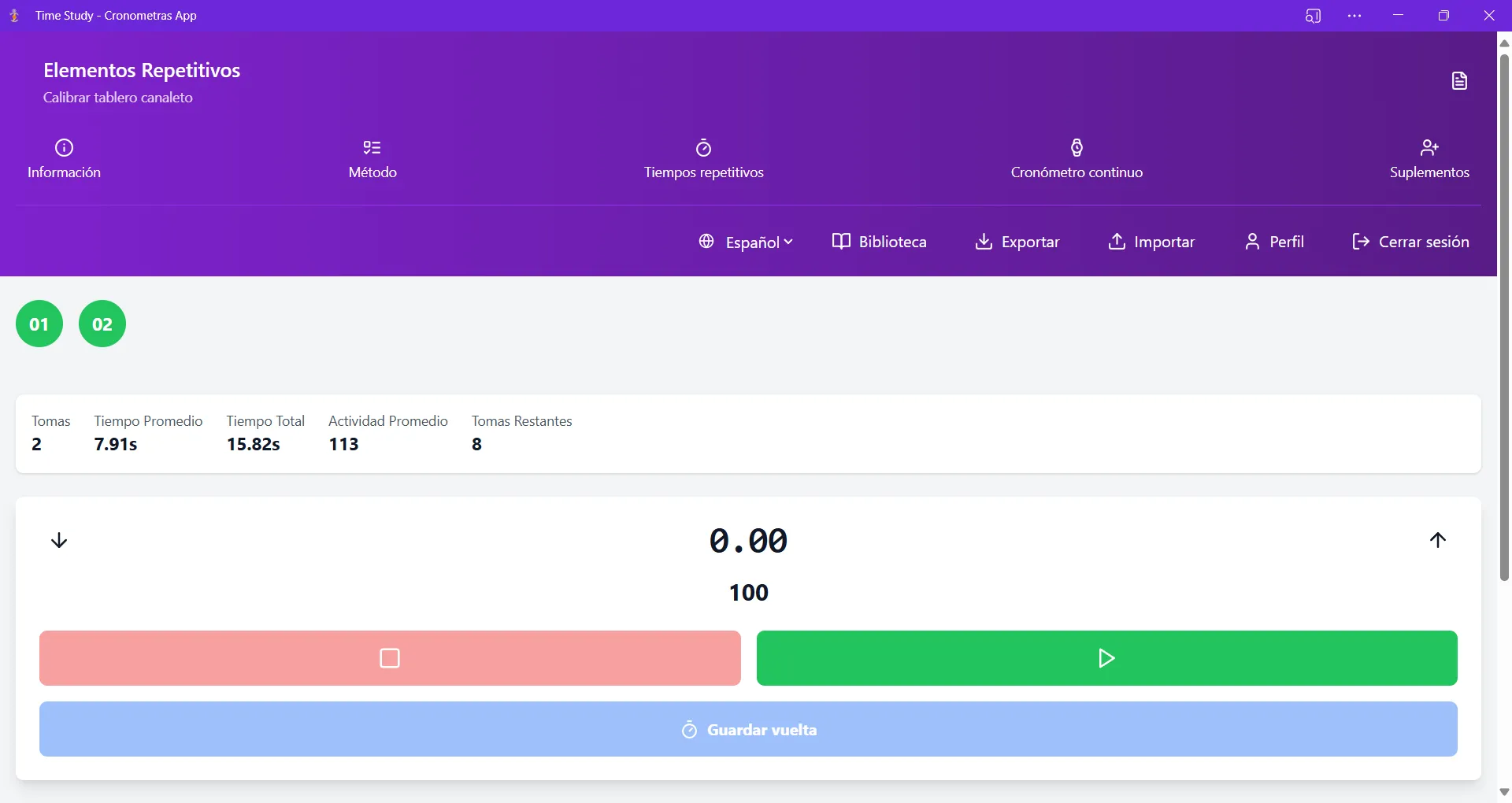
In the universe of work measurement, the stopwatch is a reactive tool: it measures what is happening, with all its existing inefficiencies. To reach the next level of efficiency, Industry 4.0 demands predictive methodologies. This is where Predetermined Motion Time Systems (PMTS) come into play.
Systems like MTM (Methods-Time Measurement) and MOST (Maynard Operation Sequence Technique) are the language of maximum efficiency. They allow defining the "Should Be" time based on the physics of human motion, independent of the operator's speed or will.
Why Abandon the Stopwatch?
1. Subjectivity Elimination
The biggest friction in time study is Performance Rating. PMTS eliminate this discussion. The time is determined by the method (Reach 50cm, Grasp Case 1...), not by the analyst's judgment.
2. Method Improvement Before Production
With MTM/MOST, you can calculate the cycle time of a workstation while it is still a CAD drawing. This allows "Design for Assembly" (DFA) optimization, avoiding costly layout modifications after launch.
3. Detailed Waste Analysis
PMTS force you to analyze every centimeter of movement. You discover that "Reaching 10cm further" costs 1000 hours per year across the fleet. This granularity is invisible to the stopwatch.
MTM vs. MOST: Which one to choose?
- MTM-1: The laboratory standard. Maximum precision (motion by motion). Ideal for short, highly repetitive cycles (< 1 min) in automotive/electronics.
- MTM-UAS: Simplified for serial batch production. Great balance between precision and analysis speed.
- Basic MOST: Focused on object movement. 5x faster to analyze than MTM-1. Ideal for general assembly, logistics, and longer cycles.
At Cronometras, we master the entire PMTS spectrum to apply the right tool to your specific process. Adopting PMTS is the leap from "Time Taking" to Methods Engineering.