Meta Description: Technical analysis on the transition from in-situ timing to forensic video analysis (Technique #17). Impact on MTM, Spanish 2025 regulatory compliance, and 40% reduction in engineering time.
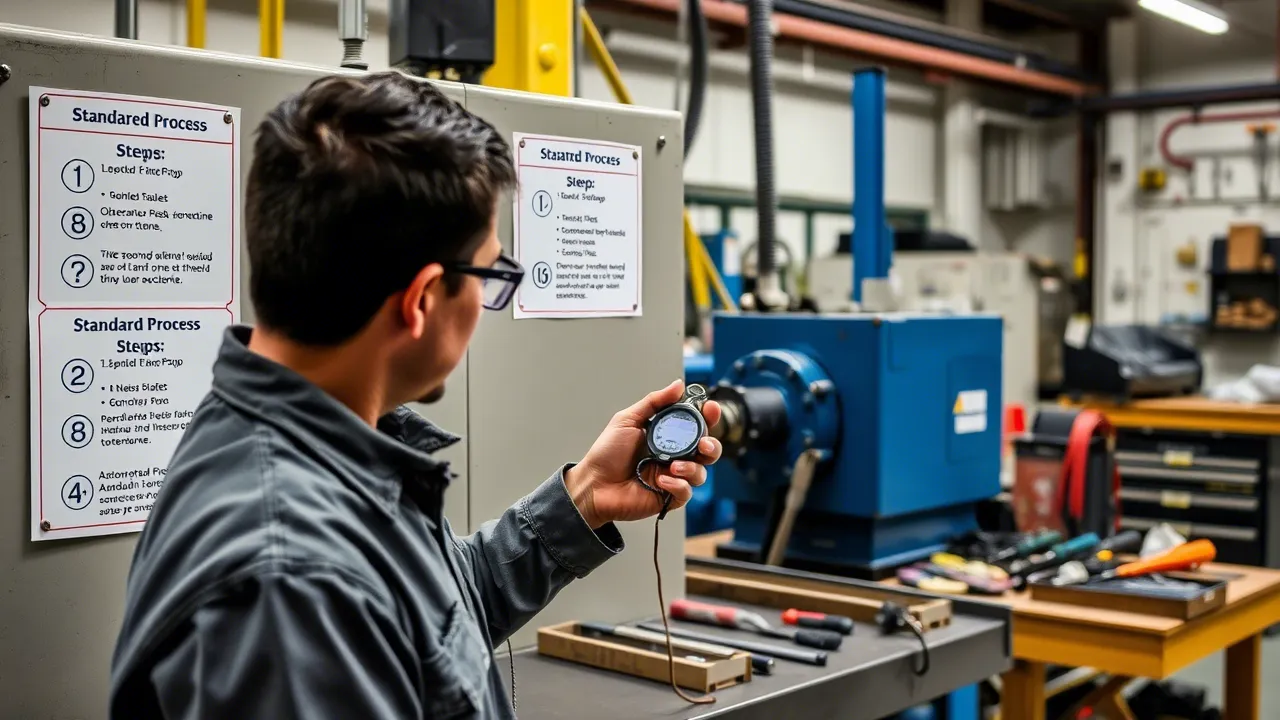
The image of the industrial engineer with a stopwatch and board on the plant floor is, for all practical purposes, an anachronism in Industry 4.0. While work measurement remains the backbone of technical productivity, tools have changed radically. At Cronometras, we have standardized Specialized Technique #17, elevating time study from simple observation to a forensic process audit.
This technical article breaks down why video analysis is no longer an option, but the only standard capable of meeting MTM precision requirements, projected 2025 legal regulations, and OEE optimization.
From "Hawthorne Effect" to Digital Precision: Why Evolve?
Traditional timing (whether snapback or cumulative) suffers from insurmountable physical limitations for the human analyst. The main barrier is physiological: the human eye has critical difficulties capturing and segmenting micro-movements in high-frequency cycles, specifically those under 0.05 minutes (3 seconds).
The End of Subjectivity in Performance Rating
One of the historical friction points between engineering and labor is Performance Rating (Pacing). In an in-situ observation, the assessment is ephemeral and subjective. Technique #17 eliminates parallax error and, more importantly, stabilizes activity judgment. Through video analysis, it is possible to apply consensus rounds among multiple certified analysts (cross-calibration), reducing rating deviation below ±2% (surpassing the usual BSI/Bedaux standard).
Technical Fact: Transitioning to video systems eliminates the "Hawthorne Effect" (alteration of operator behavior when feeling observed), as POV action cameras or fixed cameras are less invasive than an analyst "breathing down the neck" of the worker.
Technical Integration: Video-Chronometry and Predetermined Time Systems (PMTS)
The true power of Technique #17 lies in its synergy with predetermined time systems like MTM-1, MTM-2, and MOST.
Frame-by-Frame Analysis and Therbligs
MTM code assignment requires surgical precision. A complex "Grasp" movement can last milliseconds.
- Precision: By working with 60 fps recordings, we obtain a temporal resolution of 0.016 seconds per frame. This allows detecting the exact start and end of each Therblig, validating codes impossible to audit in real-time.
- NVA (Non-Value Added) Detection: According to our internal research data, video analysis detects 95% of NVA activities, compared to 65% captured by direct observation. The human eye tends to "smooth out" micro-waits; video is relentless.
Integration with Phase 2 and 3 Software
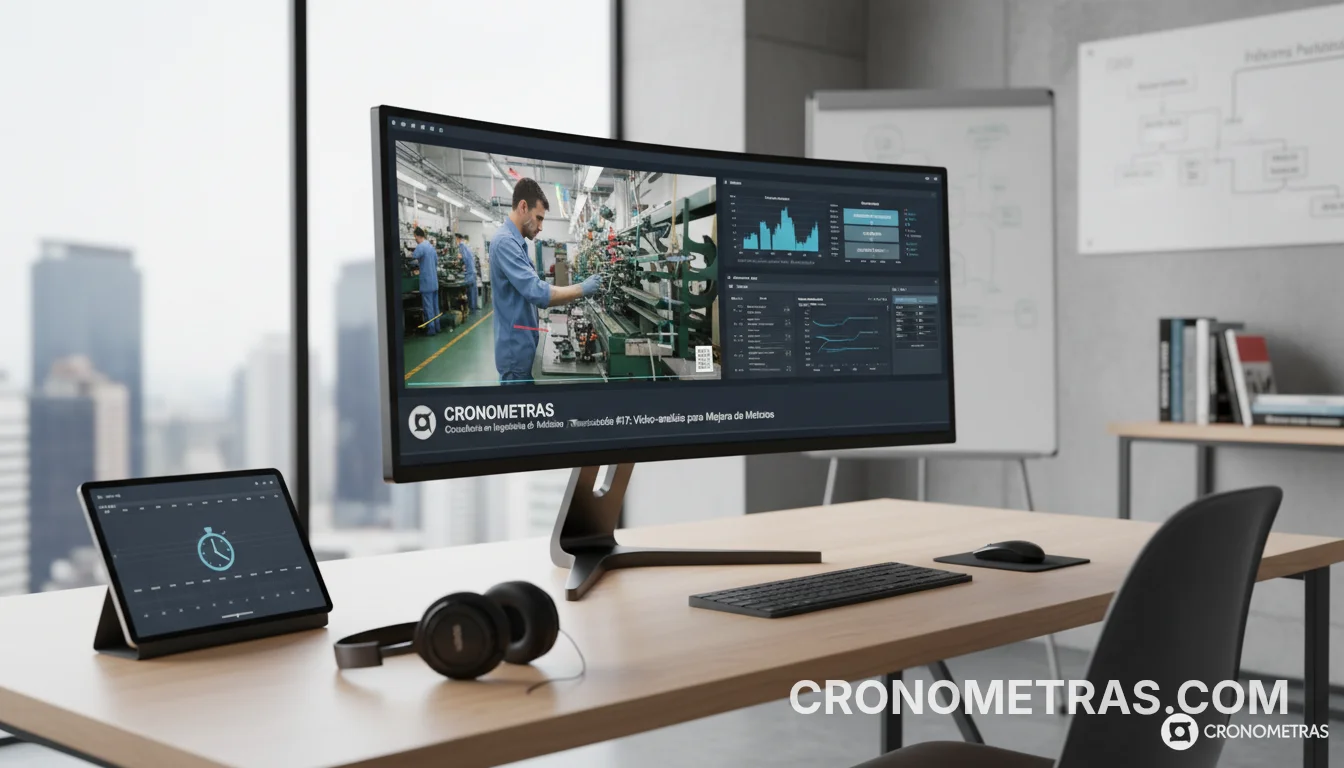
At Cronometras, we integrate video capture directly with engineering platforms like AVIX or Timer Pro Professional. This allows linking the time code directly to the video fragment, creating total traceability. There are no "black boxes"; every second of standard time is backed by visual evidence.
Legal and Regulatory Framework in Spain (2025 Projection)
For Plant Managers and HR Directors, implementing cameras usually raises privacy alerts. However, under Technique #17, the approach is strictly technical, not disciplinary.
GDPR and Proportionality Principle
Video analysis usage is covered by the Proportionality Principle of GDPR and LOPD-GDD. Recording is a suitable and necessary measure for process engineering, a legitimate company purpose.
- Legal Distinction: Differentiating between disciplinary surveillance and methods study is critical.
- Union Management (Art. 20.3 ET): Jurisprudence validates these practices provided there is prior information. Cronometras protocol includes technical notification to the Works Council, clarifying that the goal is method improvement and ergonomics, not punitive control.
Algorithmic Transparency and Rider Law
Looking towards 2025, EU directives on AI will demand transparency if times feed productivity algorithms. Video analysis offers necessary "explainability": the standard is not dictated by an opaque algorithm, but by a visually auditable measurement.
Direct Impact on OEE and Technical Productivity
Applying forensic time audit directly impacts the operating income statement.
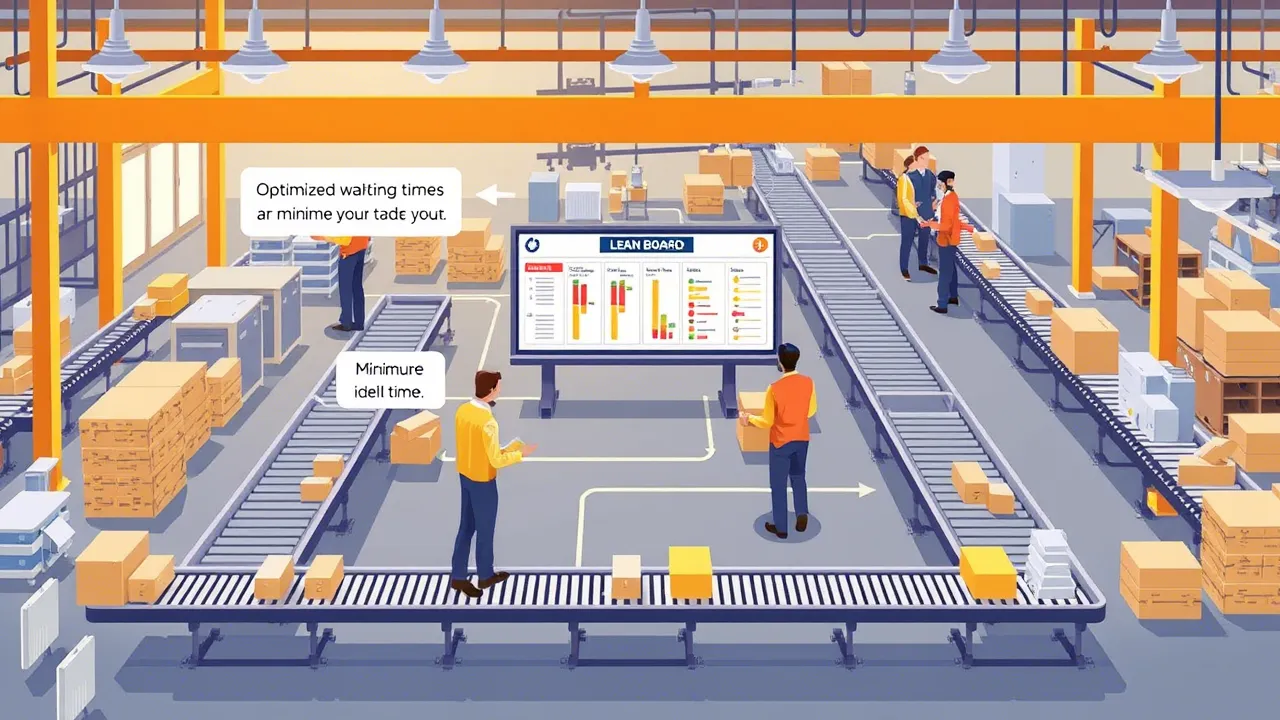
- Reduction of Performance Losses: Video reveals invisible micro-stops silently eroding OEE.
- SMED Efficiency: Research data shows an additional 18% reduction in changeover times when using video analysis. The reason? It allows identifying and externalizing operator movements performed outside the machine zone that the in-situ observer usually ignores by focusing on tooling.
- Engineering Efficiency: Decoupling data collection from analysis reduces engineer time by 40%. A junior technician can perform capture (Phase 1), while a Senior "Blue Card" Analyst performs assessment and coding (Phase 2) without stepping on the plant floor.
Implementation of Technique #17: The CRONOMETRAS Solution
We transform this methodology into an executable workflow for your plant:
Phase 1: POV (Point of View) Capture
We use capture protocols with action cameras and static tripods at 1080p/60fps resolution. This guarantees total traceability of hand movements and displacements.
Phase 2: Know-How Digitalization
We don't deliver "videos". We deliver Visual Instruction Sheets (SOPs) automatically generated from the analysis. The video becomes a training asset, where the new operator can see the "ideal method" segmented by operations.
Phase 3: Certified Remote Audit
We offer an extensive service model:
- Your team performs recording under our guidelines.
- Cronometras analyzes and codes remotely.
- Validation by MTM certified analysts.
- Delivery of a "Legal Compliance Kit" to shield the study against inspections or union claims.
Conclusions: Video as Documentary Asset
In modern engineering, if there is no visual record, the data is debatable. Technique #17 turns time study into a forensic documentary asset, protecting the company against claims, improving ergonomics, and ensuring precise MTM standards.
The stopwatch belongs in a museum. 2025 competitiveness demands digital precision.
Need to objectify your production standards?
Request a Pilot Pace Audit via Video Analysis with Cronometras and discover the hidden potential in your processes.