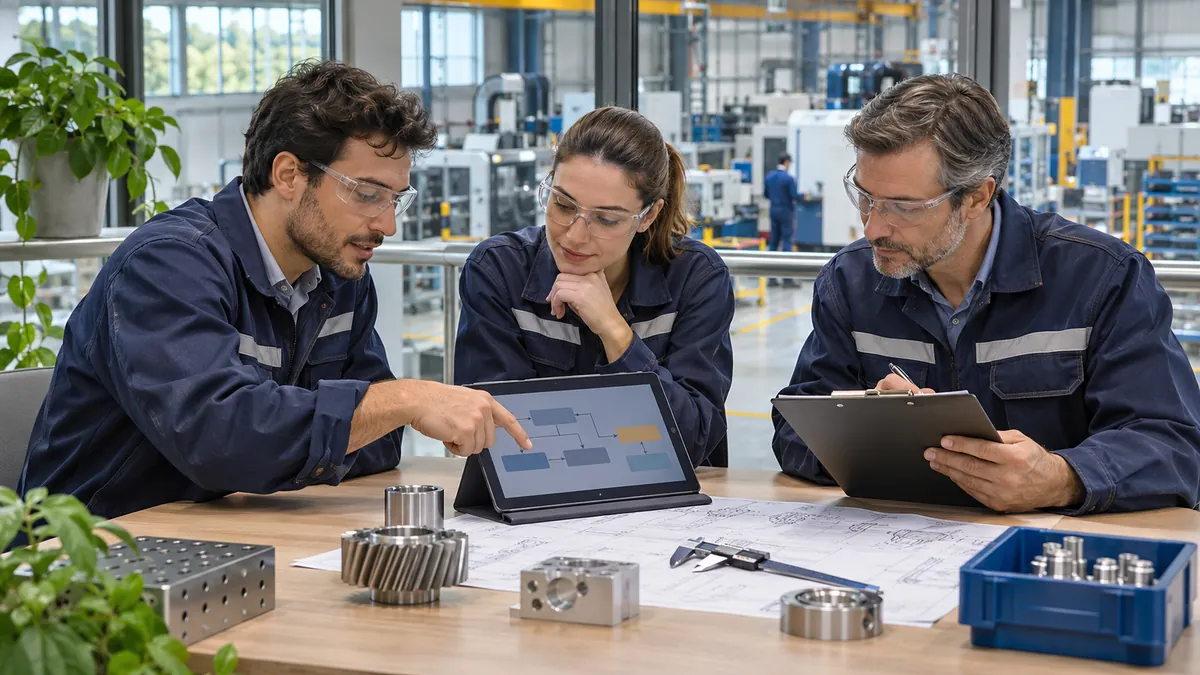
Current State of Collaboration in Methods Engineering in Spain
Methods and time engineering is at a turning point. Traditional tools—time study, work sampling, predetermined time systems such as MTM and MOST—remain the quantitative foundation of industrial productivity. However, the way these data are applied, shared and analyzed is changing radically. In Spain, the industrial fabric presents a unique opportunity to lead this collaborative evolution.
According to recent industry data, around 12% of industrial plants have a dedicated methods department. This core of professionals, an estimated 4.200 certified time study analysts, generates an enormous volume of valuable knowledge. The current challenge is not a lack of data, but its management, standardization and effective dissemination within and between organizations. Collaboration is ceasing to be an abstract concept and becoming a critical competitiveness factor.
Historical fragmentation has generated tangible inefficiencies. Similar studies are repeated in different plants of the same group, the tacit knowledge of senior analysts is not capitalized on, and decision-making is delayed. A model change on an assembly line may require months of new studies, when historical data from another plant could speed up the process by 70%. This is the landscape that is changing.
The 4 Collaboration Models Identified in Industrial Organizations
After analyzing dozens of organizations, four clearly differentiated collaboration models can be observed. Each represents a level of maturity and a specific set of benefits.
Model A: Vertical Intra-organizational Collaboration
This is the most widespread model, present in 61% of organizations. Information flows in a single direction: from the analyst on the plant floor to industrial management. The results of the time studies are consolidated into periodic reports that feed aggregated indicators such as OEE (Overall Equipment Effectiveness). The main risk here is organizational silence. The detailed knowledge—why a standard time was set in a certain way, the fatigue allowances, the specific contexts—remains trapped in the relationship between the analyst and the production line. If that professional leaves, the common thread of years of measurements is lost.
Model B: Horizontal Intra-organizational Collaboration
This model, adopted by 23% of companies, represents a qualitative leap. Here, analysts from different plants, lines or shifts actively share their findings. Periodic analyst meetings are established, along with shared repositories of study sheets and, most importantly, standards committees that validate and approve times. The benefits are quantifiable: a 35-40% reduction in the implementation time of new standards. An agri-food group with six plants managed to approve 2.400 common standard elements in 18 months, reducing the variability of similar processes from 22% to 6% and generating savings of over one million euros annually.
Model C: Inter-organizational Collaboration (Benchmarking)
11% of organizations take the step beyond their own boundaries. Through sector associations, regional clusters or specialized consultancies, they exchange methods information with companies that are not direct competitors. Comparative productivity studies by sector and cycle time benchmarking in equivalent processes are carried out. The main barrier is distrust: normalized indices are shared, but complete study sheets are rarely shared. Neutral platforms such as the ASETEMYT Directory can play a key role here, facilitating connections and establishing frameworks of trust for the exchange of technical knowledge.
Model D: Structured Digital Collaboration
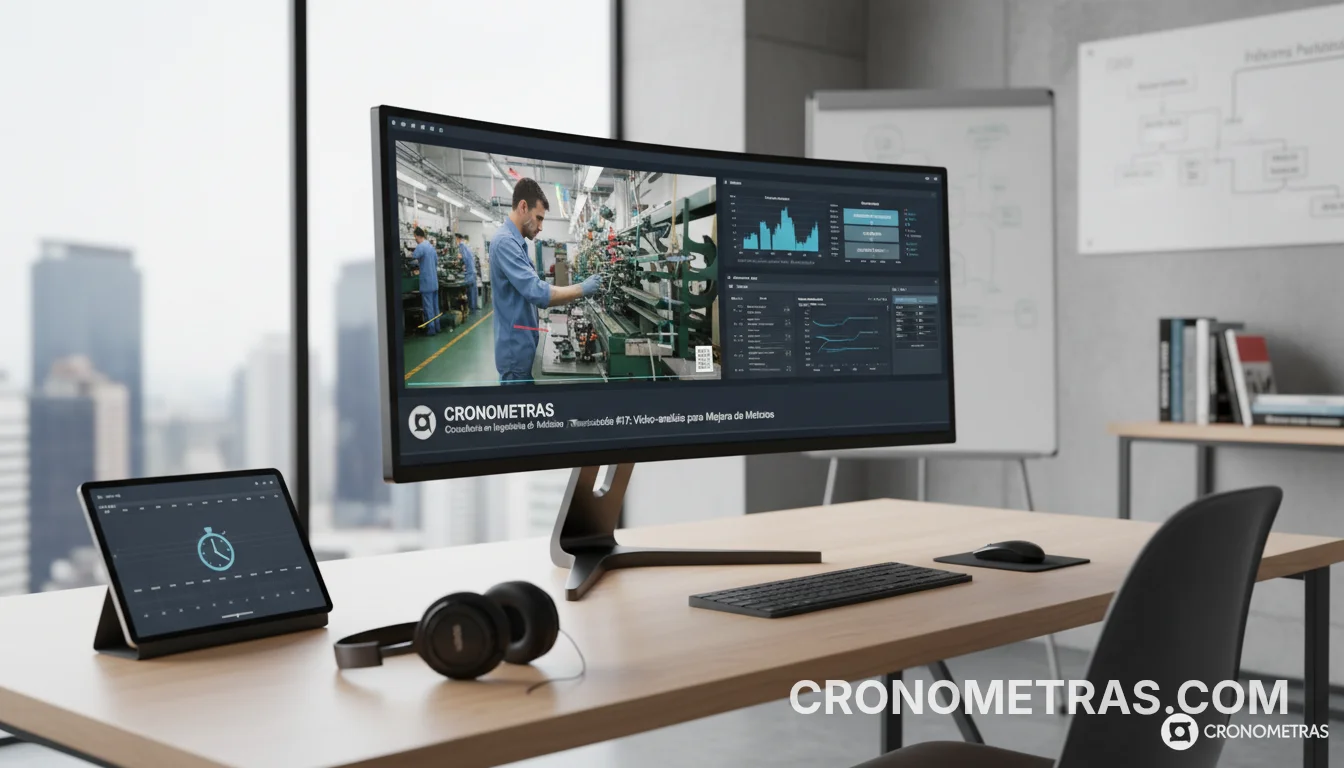
This is the emerging and fastest-growing model (+47% year-on-year), although its adoption is still a minority (5%). It is characterized by the use of technological platforms that enable real-time collaboration on time studies, MTM sheets and productivity data. It includes software with version control, multi-user access with differentiated roles, integration with measurement devices (digital stopwatches, tablets, wearables) and shared dashboards. Tools such as Cronometras have greatly simplified the performance and standardization of these studies, laying the groundwork for this digital collaboration.
Main Barriers to Collaborative Work in Methods and Times
Despite the clear benefits, the transition to collaborative models faces significant obstacles. Identifying them is the first step to overcoming them.
- Lack of standardized technological tools: This is the most reported barrier. Many organizations still rely on isolated spreadsheets or obsolete proprietary software that does not facilitate the exchange of structured data.
- Cultural resistance and departmentalization: The "this has always been done this way" attitude and departmental silos are powerful brakes. The time study analyst may see their expertise as a personal asset rather than an organizational one.
- Absence of internal regulatory frameworks: There are no written procedures defining how time standards are shared, versioned and validated between teams or plants.
- Data security and ownership concerns: Especially in inter-organizational collaboration, there is a legitimate fear of leaking sensitive information that could give a competitor an advantage.
- Lack of dedicated time and resources: Daily operational pressure leaves little room for consolidation tasks, standardization meetings or curation of historical databases.
Technological Solutions and Platforms Enabling Collaboration
Technology is the key enabler to overcome the above barriers. The ecosystem of solutions has matured significantly, offering options for every need and budget.
Modern methods engineering platforms must offer, at a minimum, the following capabilities:
- Centralized and secure storage of time studies, MTM/MOST sheets and OEE data.
- Version control and auditing to trace who modified a standard, when and why.
- Real-time collaboration with comments, validations and approval workflows.
- Integration with measurement devices to capture data directly in the field.
- Automatic report generation and dashboards for decision-making.
For real-time production control and linking methods data with actual output, platforms such as Induly offer integrated solutions that close the loop between the theoretical standard and productive reality. On the other hand, work sampling or Work Sampling, facilitated by applications such as WorkSamp, enables agile collaboration in distributed activity studies, where multiple observers can feed a single project concurrently.
Regulatory and Standards Framework in Force in 2025
Collaboration does not operate in a vacuum. There is a regulatory framework that supports it and, in some cases, requires it. In Spain, the fundamental reference remains Royal Decree 39/1997 (amended by subsequent updates), which approves the Regulation on Prevention Services, and which, in its analysis of ergonomic risks, involves an assessment of workloads where methods and time studies are a fundamental technical tool.
Internationally, the OIT (International Labour Organization) standards on work measurement remain the ethical and methodological beacon. These standards emphasize worker participation, transparency in setting standards and consideration of human variables such as fatigue and breaks. Any platform or collaborative model must align with these principles to be sustainable.
In addition, the 2024-2025 European directives on industrial digitalization and competition reinforce the need for data interoperability and open standards, creating a favorable regulatory environment for collaborative platforms that use APIs and common data formats.
Success Stories and Lessons from Leading Organizations
Beyond theoretical models, it is practical cases that offer valuable lessons. A multinational automotive company with four plants in Spain implemented a common repository of MTM-2 elements. The result was a 50% reduction in the time required to launch feasibility studies for new models, since movement sequences already coded at other factories could be reused and adapted.
Another relevant case is that of a consumer goods company that established bi-monthly "virtual standards committees." Using videoconferencing tools and collaborative software, analysts from six countries validated and unified the times for similar packaging processes. The key to success was appointing a dedicated facilitator and setting a strict agenda with concrete output objectives for each session.
The cross-cutting lesson is that technology alone is not enough. It requires clear management sponsorship, the definition of roles (who proposes, who validates, who approves) and a cultural change that values standardization and shared knowledge above the individual heroics of the analyst who "always has the answer."
Emerging Trends and the Path toward Structured Digital Collaboration
The future of methods engineering is collaborative, digital and predictive. Several trends are marking the path toward 2025 and beyond.
- Integration with IoT and Digital Twins: Time study and MTM data will be combined with real-time data flows from sensors on the production line (IoT). This will make it possible to create "digital twins" of processes, where theoretical standards are continuously compared with actual performance, and adjustments can be simulated and validated collaboratively before physical implementation.
- Advanced Analytics and AI as a Collaborator: Machine learning algorithms will analyze historical databases of time studies to suggest preliminary standards for new elements, identify anomalies in measurements or predict the impact of a method change on overall OEE. The human analyst will evolve from "measurer" to "validator and strategist."
- Specialized Platform as a Service (PaaS): We will see the rise of cloud platforms specifically designed for collaboration in methods engineering. These solutions, accessible by subscription, will democratize access to advanced tools for industrial SMEs, which today cannot afford in-house developments.
- Blockchain for Standards Traceability: In highly regulated environments or for inter-organizational collaboration, blockchain technology could be used to certify the origin, modification and approval of a standard time, creating an immutable and reliable record.
The path toward this structured digital collaboration is not optional. It is a necessity to reduce time-to-market, optimize asset utilization and retain critical knowledge in an industry facing mass retirements of experienced professionals.
Resources and Tools
To delve deeper into these tools and connect with the community of professionals, the following resources are recommended:
- ASETEMYT - Industrial Time Study Directory: To find suppliers, consultants and specialized tools.
- ASETEMYT Blog: Technical articles and analysis of industry trends.
- Induly: Production Control and Industrial Time & Attendance Software to integrate measurement with execution.
- WorkSamp: Specialized application for the agile and collaborative performance of Work Sampling (Work Sampling) studies.
- Cronometras: Consulting and tools for work measurement and setting standards.
Is your organization ready to take the next step? Add your company or tool to the directory and become part of this growing community.
Don't want to do it yourself? We do it for you from €800
If you prefer to outsource it, Cronometras delivers a complete time and motion study from a single video: elemental breakdown, OIT/TAL fatigue allowances, standard time with tolerances, and a report in PDF + Excel + JSON ready to present to management.